Understanding How Insurance Coverage Works for Expats in South Korea
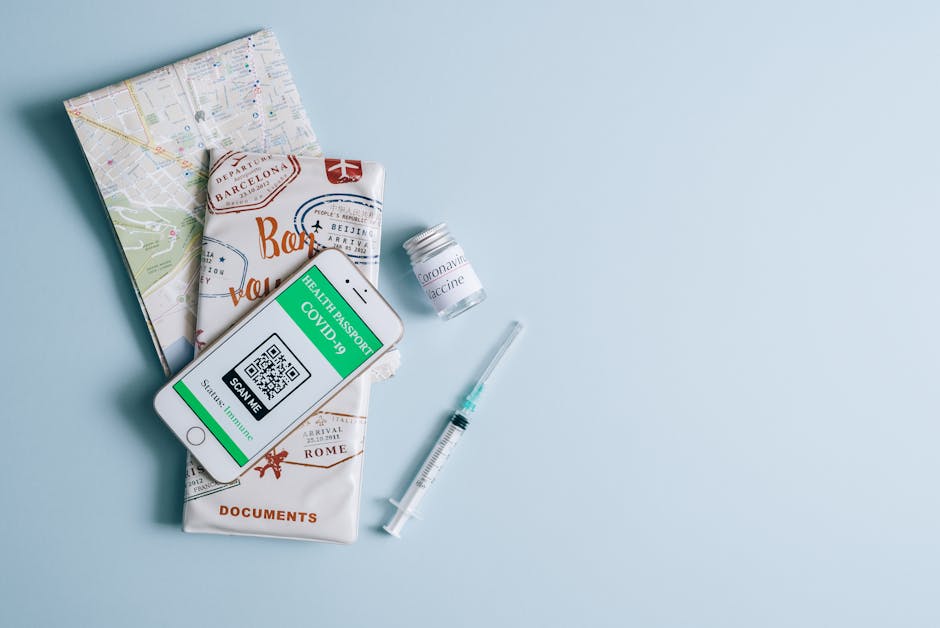
Navigating the insurance landscape in South Korea requires understanding the distinction between the mandatory National Health Insurance Service (NHIS) and optional private insurance products. Every resident, including expats with an Alien Registration Card, is legally required to enroll in the public system, while private insurance serves as a supplemental layer to cover out-of-pocket costs that the national system does not fully address.
Key takeaways
- The National Health Insurance Service (NHIS) is mandatory for all long-term residents and covers a significant portion of medical expenses.
- Private medical insurance, often called "silbi" or actual-loss insurance, is designed to reimburse the co-payment portion of your medical bills.
- Premiums for private insurance are calculated based on your age, medical history, and the specific terms of the policy.
- Always verify your coverage status through the official NHIS portal before assuming you are fully protected for specific procedures.
The foundation: National Health Insurance Service
The South Korean healthcare system is built upon the NHIS, which operates as a single-payer system. When you are employed by a company, your employer is responsible for registering you and splitting the premium costs with you. If you are a student or self-employed, you are classified as a regional subscriber and must manage your own payments directly to the NHIS office.
It is important to understand that the NHIS does not cover 100% of every medical procedure. Instead, it operates on a co-payment system where the patient is responsible for a percentage of the total cost. This percentage varies depending on whether the treatment is considered essential or elective, and whether you visit a local clinic, a general hospital, or a large university hospital.
Why consider private supplemental insurance
Because the NHIS leaves a portion of the bill to the patient, many residents choose to purchase private medical insurance. This is commonly referred to as silbi insurance. The primary purpose of this product is to cover the "out-of-pocket" expenses that remain after the NHIS has paid its share. For example, if you undergo a procedure that costs 1,000,000 KRW, the NHIS might cover 700,000 KRW, leaving you with a 300,000 KRW bill. A private policy may reimburse you for a large portion of that remaining 300,000 KRW.
Comparing policy types
When looking at private insurance, you will encounter two main types: fixed-benefit insurance and actual-loss insurance. Fixed-benefit policies pay a specific amount if you are diagnosed with a particular illness, regardless of your actual medical costs. Actual-loss insurance, or silbi, is strictly tied to the receipts you receive from the hospital.
Practical steps to manage your insurance
Managing your insurance effectively requires organization and an understanding of the reimbursement process. Below is a guide on how to handle your medical claims effectively.
- Keep every receipt: Whenever you visit a clinic or hospital, request an itemized receipt (jinryobi yeongsujeung).
- Verify your coverage: Log into your private insurer's mobile app or website to check if your specific treatment is covered under your policy terms.
- Submit documentation: Most insurers allow you to submit claims via their mobile app by uploading photos of your receipts and your medical diagnosis code.
- Follow up: If a claim is denied, request a written explanation from the insurance company to understand which specific clause of your policy was triggered.
- Maintain records: Keep a physical or digital folder of all correspondence with your insurance provider for at least three years.
Understanding the cost structure
The cost of insurance in Korea is not a "one size fits all" scenario. Several factors influence the premiums you will pay for private coverage. The following table illustrates the typical variables that insurance companies assess when providing a quote.
| Factor | Impact on Premium |
|---|---|
| Age | Higher premiums as you get older due to increased risk. |
| Medical History | Pre-existing conditions may lead to higher costs or exclusions. |
| Coverage Limit | Higher maximum payout limits result in higher monthly premiums. |
| Deductible | A higher deductible usually lowers your monthly premium. |
Actionable checklist for policyholders
Before you sign a contract or renew your existing policy, ensure you have addressed the following items:
- [ ] Confirm that your ARC (Alien Registration Card) is valid and linked to your NHIS account.
- [ ] Read the "exclusions" section of your private policy to see what is not covered (e.g., cosmetic surgery or specific experimental treatments).
- [ ] Check if your policy includes a "renewal cycle," which means premiums may increase every 3 to 5 years.
- [ ] Ensure you have the contact information for your specific insurance agent or the company's foreign-language support line.
- [ ] Verify if your policy requires you to notify the insurer before undergoing non-emergency surgeries.
Navigating claims and disputes
If you encounter a situation where a claim is denied, do not panic. It is common for initial claims to be rejected due to missing documentation rather than a lack of coverage. Ensure that your medical diagnosis code (ICD-10 code) is clearly written on your medical certificate, as this is the primary way insurers verify the necessity of the treatment. If you believe the denial is incorrect, you have the right to file a formal appeal with the insurance company's internal review department.
Frequently asked questions
Can I keep my private insurance if I leave Korea?
Generally, private insurance policies in Korea are designed for residents. If you leave the country permanently, you should contact your insurer to cancel the policy, as you will likely be unable to make claims from abroad.
Does my NHIS cover me if I travel outside of Korea?
The NHIS is primarily for medical services received within the borders of South Korea. It typically does not provide coverage for medical expenses incurred in other countries.
Are dental and vision services covered?
The NHIS covers basic dental checkups and some treatments, but many specialized dental procedures and vision correction surgeries are not covered by the public system and often require separate, specialized private insurance.
Before you decide
Before making any decisions regarding your insurance coverage, you should consult the official information provided by the National Health Insurance Service (NHIS) and the Financial Supervisory Service (FSS). The FSS provides oversight for private insurance companies and is a reliable source for understanding your consumer rights in the event of a dispute. Always review the policy documents provided by your specific insurer, as terms and conditions are subject to change based on current regulations and individual risk assessments. Do not rely solely on verbal advice from brokers; ensure that all promises and coverage details are clearly stated in your written contract.
This article is for informational purposes only and does not constitute professional financial, legal, or medical advice. Insurance policies vary significantly based on individual circumstances. Please consult with a qualified insurance professional or the relevant government regulatory bodies before making any financial commitments.



10 Recommended Products
This post contains Coupang Partners affiliate links. If you visit Coupang through one of these links and make a purchase within 24 hours, including a purchase of another eligible product, we may earn a commission at no additional cost to you. Attribution rules, cancellations and returns may affect commission eligibility. / 이 게시물에는 쿠팡 파트너스 제휴 링크가 포함되어 있습니다. 이 링크를 통해 쿠팡에 방문한 뒤 24시간 이내에 다른 상품을 구매하더라도 운영정책상 실적으로 인정되는 구매라면 수수료를 제공받을 수 있습니다. 구매 경로의 최종 기여, 주문 취소 및 반품 등에 따라 수수료가 인정되지 않을 수 있습니다.
 Health Functional FoodsCJ BioCore 500 Billion Probiotics
A high-count probiotic product. Review the strains, storage instructions, and recommended serving.
Shop on Coupang Health Functional FoodsCollagen 3270 Supplement
A collagen supplement option. Check the collagen source, serving size, and ingredients.
Shop on Coupang Health Functional FoodsLacto-Fit Gold Probiotic Powder, 80 Sticks
A daily probiotic supplement in single-serve sticks. Review the strain information, ingredients, and suggested use on the label.
Shop on Coupang Health Functional FoodsLutein and Zeaxanthin 164
A lutein and zeaxanthin supplement. Review ingredient amounts and directions.
Shop on Coupang Health Functional FoodsRTG Omega-3 with Vitamin D
An omega-3 supplement combined with vitamin D. Check the EPA/DHA amounts, ingredients, and suitability before use.
Shop on Coupang K Beauty SkincareAnua Heartleaf 77 Soothing Toner
A calming daily toner with heartleaf for a balanced skincare routine.
Shop on Coupang K Beauty SkincareCOSRX Snail Radiance Dual Essence
A dual-texture essence for a hydrated, radiant-looking complexion.
Shop on Coupang K Beauty SkincareBeauty of Joseon Relief Sun SPF50+
A lightweight daily sunscreen for broad-spectrum UV protection.
Shop on Coupang K Beauty SkincareRound Lab Birch Juice Moisturizing Cream Set
A daily moisturizing cream set for comfortable, hydrated skin.
Shop on Coupang K Beauty SkincareTorriden Dive-In Hyaluronic Acid Toner
A hydrating toner for a fresh, moisture-focused routine.
Shop on CoupangCoupang’s trademarks are used under license from Coupang, LLC or its affiliates.


Comments
Post a Comment